
Welcome to QUALINTER

You are using the most precise, transparent, and honest estimator — because you deserve accuracy and trust from the start.
"We use the most premium paints on the market, ensuring your home looks better, lasts longer, and saves you money by avoiding future repainting." "Your money stays in your house"
Paint Calculator by Area
INTERNAL WALLS OR CEILINGS
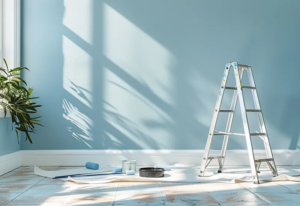
Areas
What is considered an area?
When I refer to “areas” in a house, I am including all the individual spaces that make up the interior. This includes rooms such as bedrooms, the kitchen, and bathrooms. I also count hallways, closets, storage rooms, laundry rooms, and any other enclosed or functional spaces. Each distinct part of the home where work may be done—whether large or small—is considered an area.
Area 1: Surface
How to Calculate the Area of a Wall and a Ceiling (in Square Feet - sq ft)
To calculate the area of a wall:
- Measure the height of the wall in feet.(from ceiling to floor)
- Measure the width of the wall in feet.
- Multiply the height by the width(Don't subtract any areas. Our calculator will do it automatically):
To calculate the area of a ceiling:
- Measure the length of the ceiling in feet.
- Measure the width of the ceiling in feet
- Multiply the length by the width:
💡 Example:
- If a wall is 10 feet high and 15 feet wide, the area is:
ROOM 1
Describe the walls you want to paint
If you don't want to paint a wall just put 0
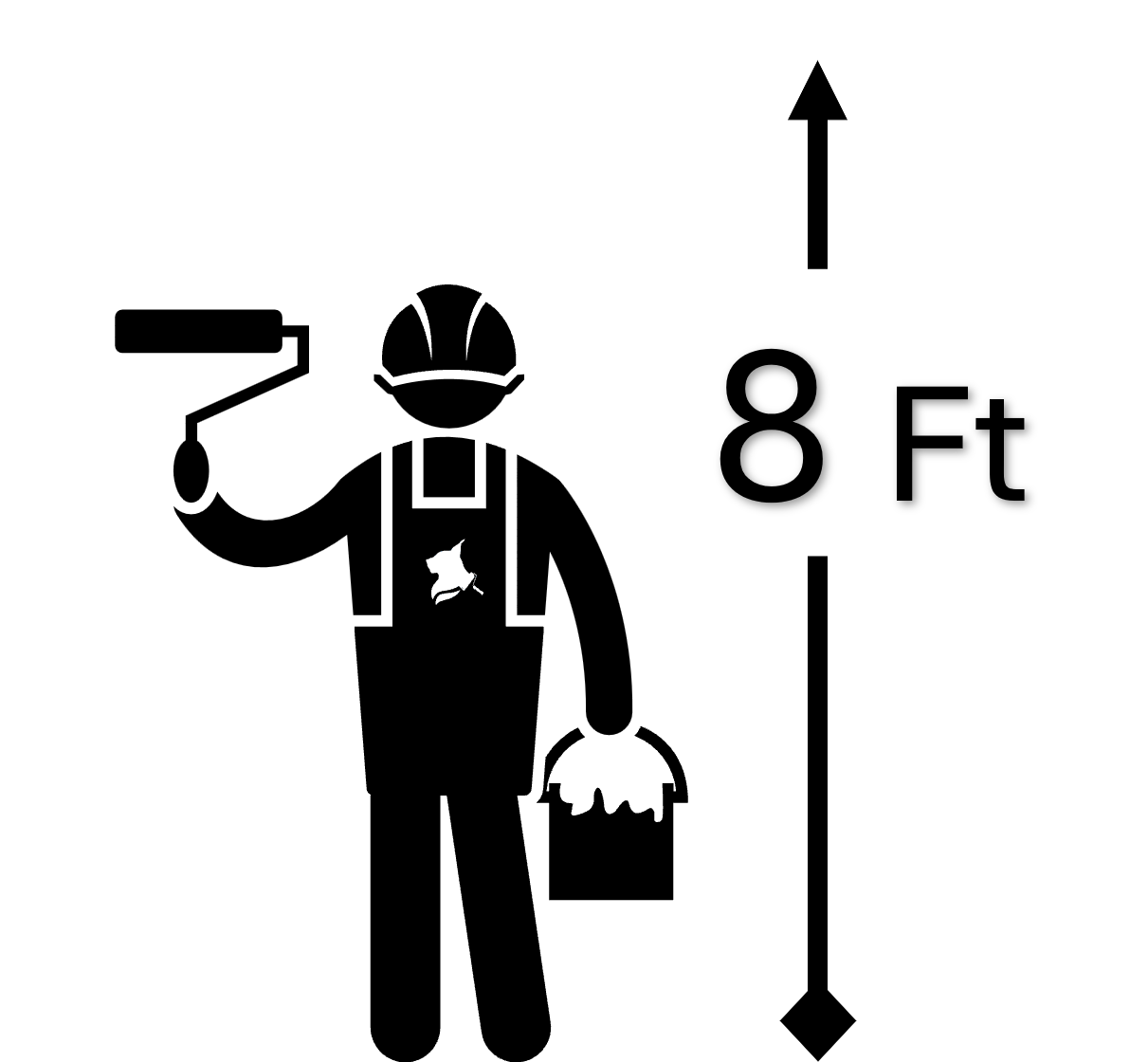
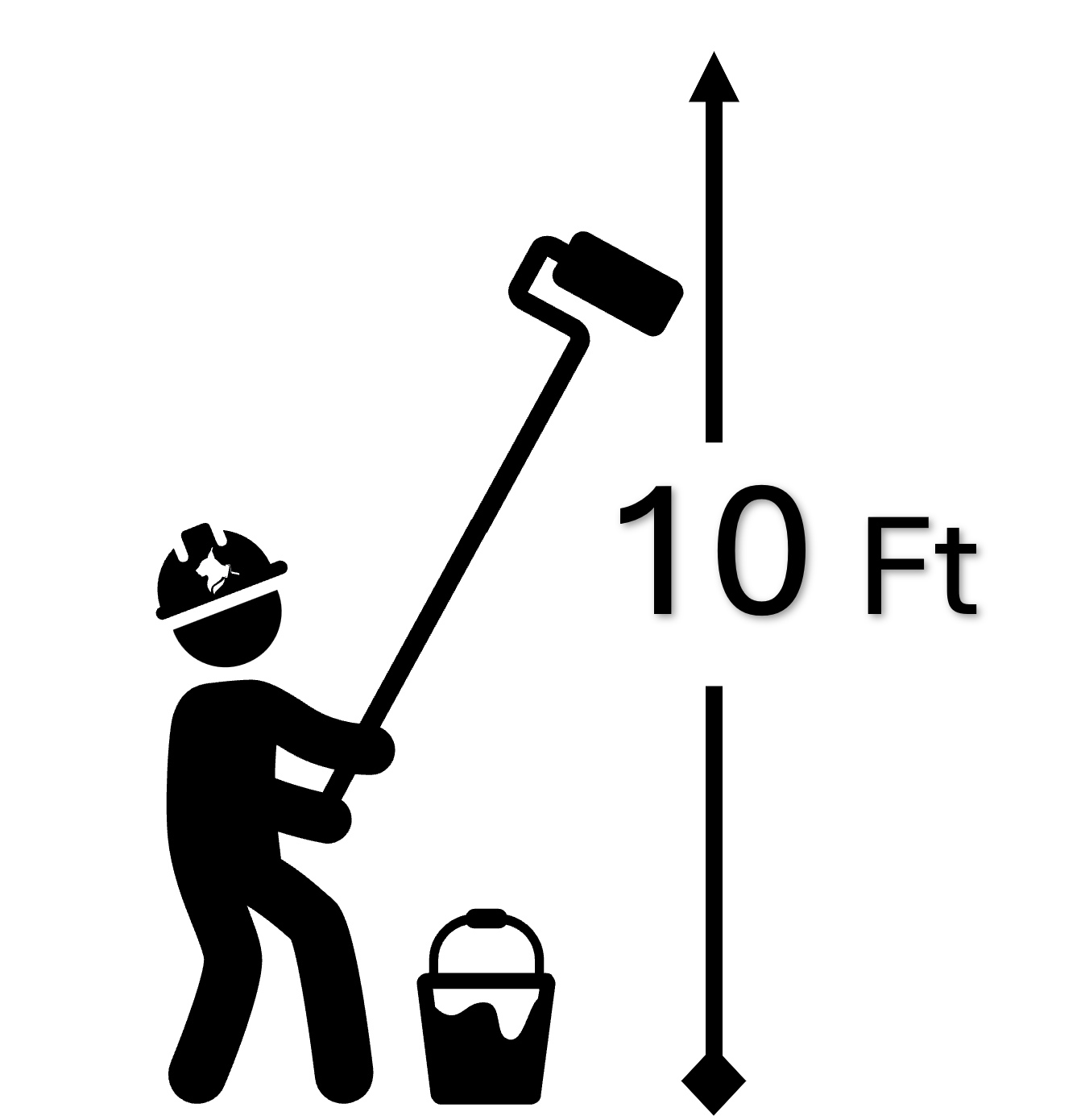
The tallest wall has as many or fewer feet than:
(max 15ft)


Area 1: Colors
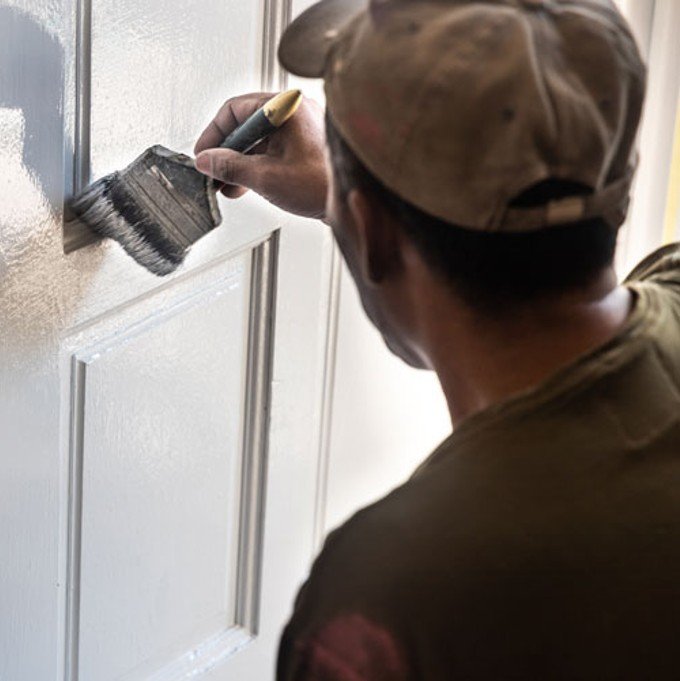
Same color and wall in good condition
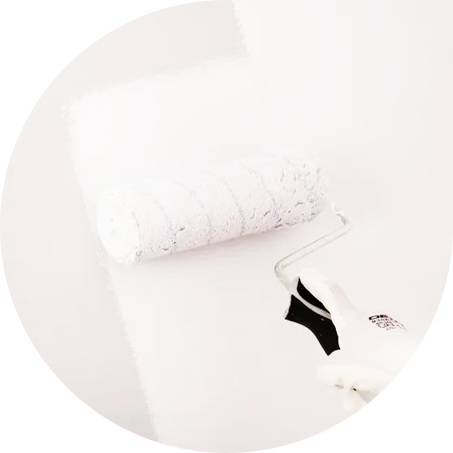
- Two coats of paint
- First coat of paint is the PRIMER
- Second coat is high-quality paint
Another color combination or new Drywall walls
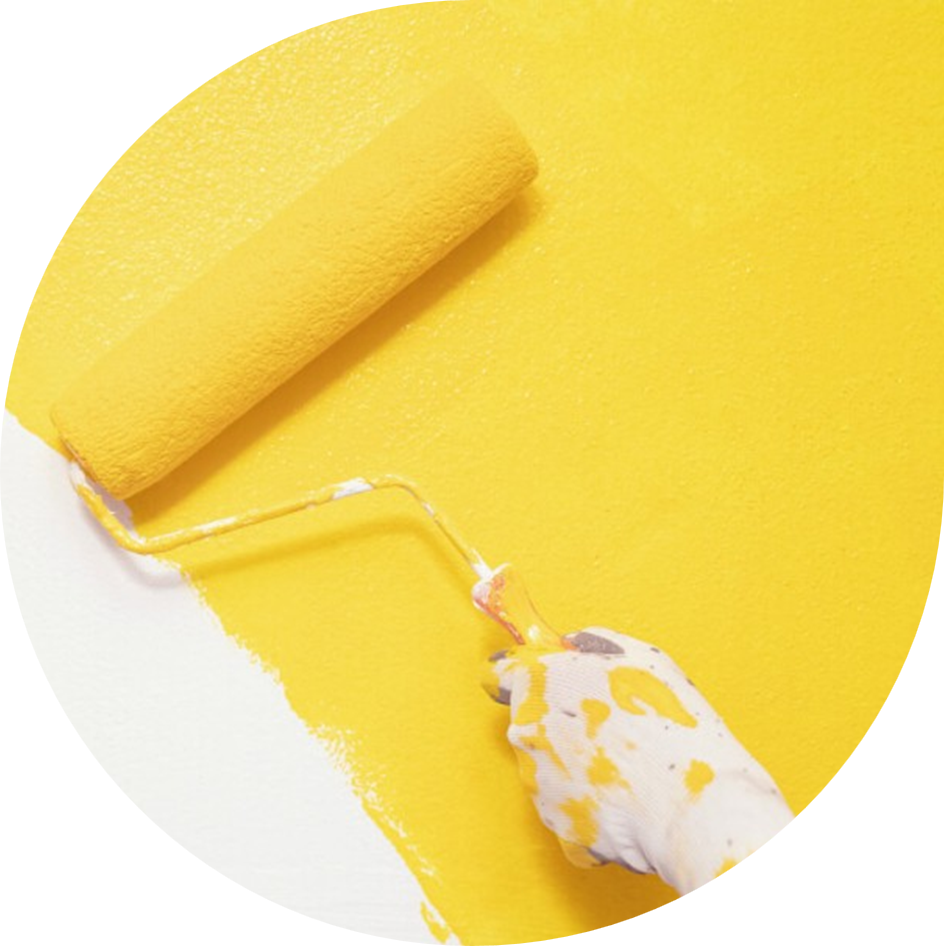
- Three coats of paint
- First coat of paint is the PRIMER
- Second coat is high-quality paint
- Third coat is the last high-quality paint
From a dark and strong color to a light color
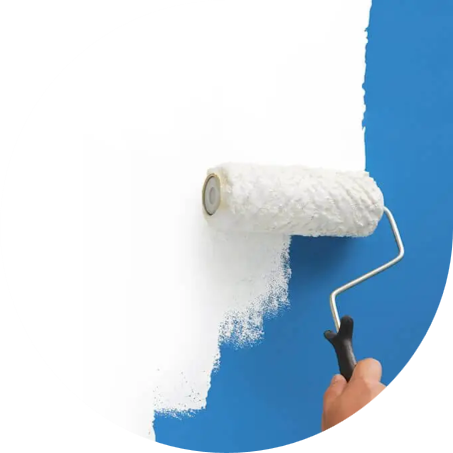
- Four coats
- First coat of paint is the PRIMER
- Second coat is high-quality paint
- Third coat is the high-quality paint
- Fourth coat is the last high-quality paint
Area 1: Conditions (Cracks/Breaks)
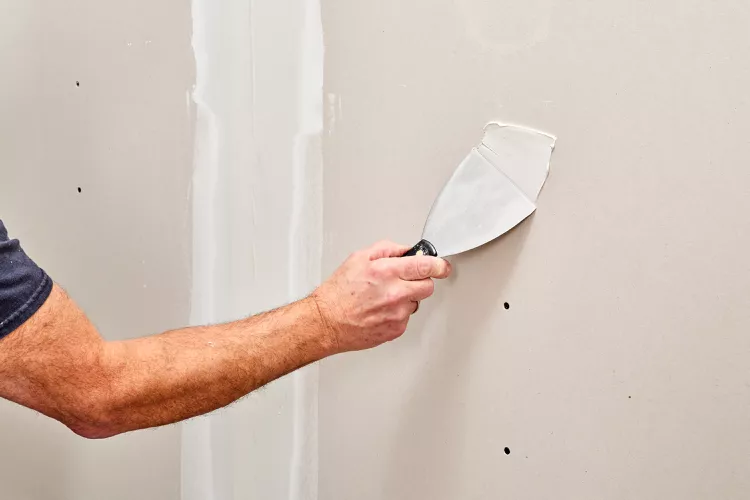
Before proceeding with the painting, we would like to gather information about the condition of the walls. If any walls require preparation or repairs before painting, please let us know. The wall preparation is optional—our team can simply proceed with painting if you prefer. It is not necessary to repair any walls unless you choose to do so.
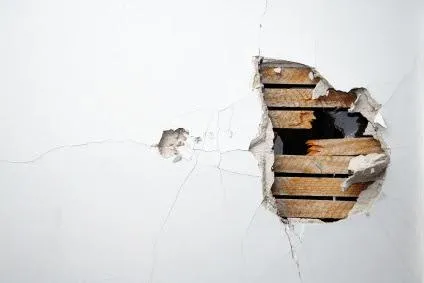
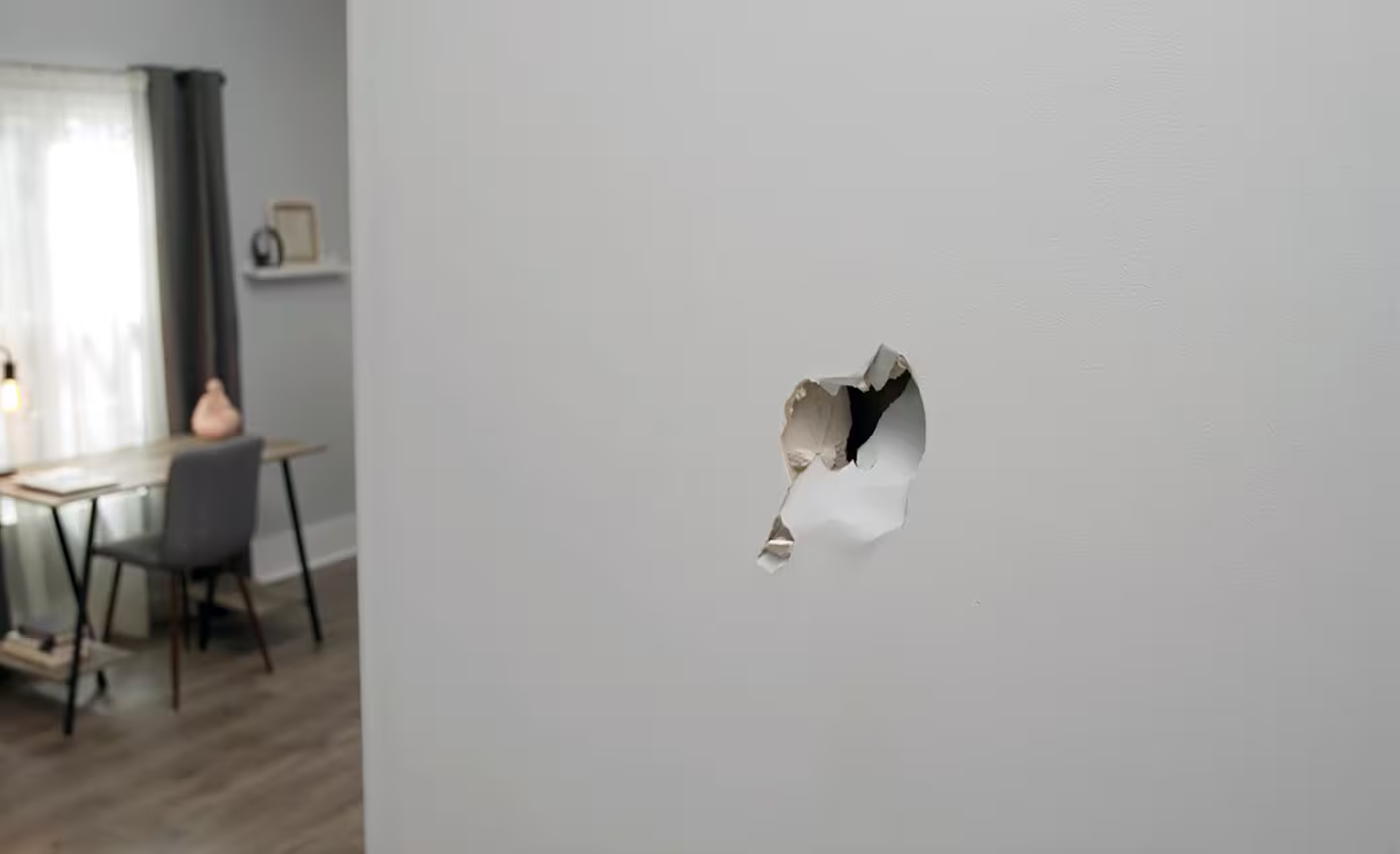
Minor breakage: The wall has small imperfections, such as tiny nail holes, slight cracks, or uneven surfaces. Minimal touch-ups are required. Maximum, 1 inch diameter
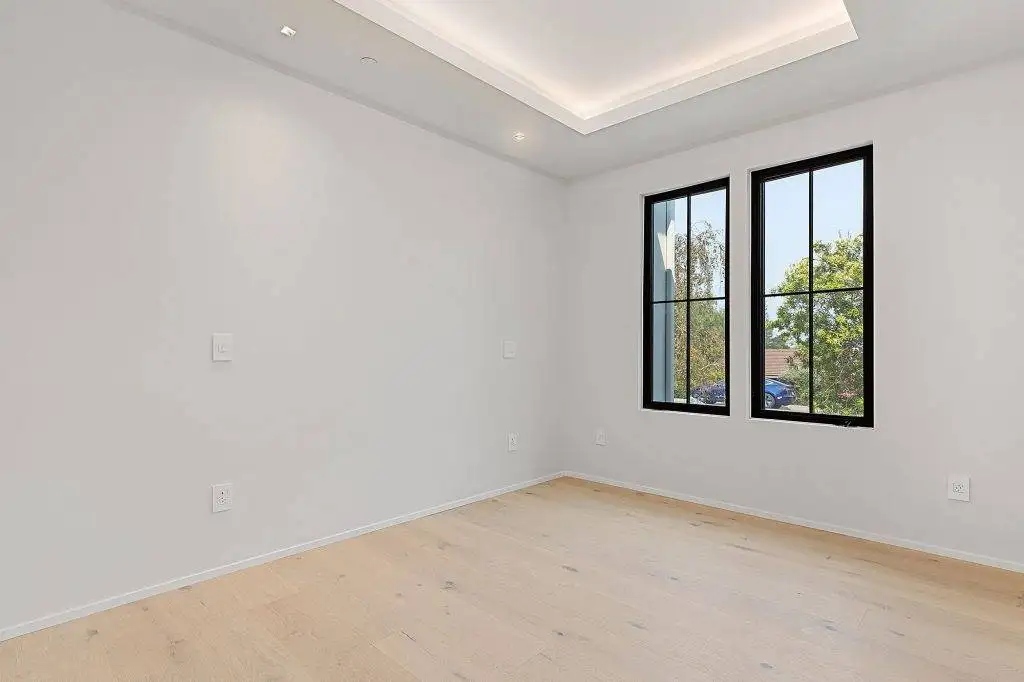
Area 1: Order and Furnishing
We want to ensure that there is at least a 2.5 ft wide walkway so the painter can move freely and achieve a perfect finish
No need to move anything. Everything is set and ready with a 2 ft clearance for painters to pass through, and nothing is obstructing the surface to be painted
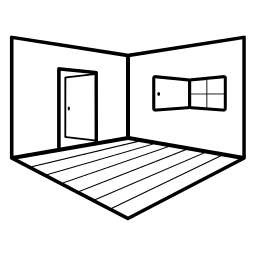
Small furniture such as coffee tables, side tables, chairs, ottomans, and floor lamps need to be moved, along with removing paintings, curtains, and any other items that may obstruct the painting process.

Medium-sized furniture such as dressers, bookshelves, TV stands, and dining tables need to be moved to ensure clear access to the painting areas.

Large furniture such as sofas, wardrobes, bed frames, and large dining tables need to be moved, which requires two people to handle safely.

Area 2: Colors
Same color and wall in good condition
- Two coats of paint
- First coat of paint is the PRIMER
- Second coat is high-quality paint
Another color combination or new Drywall walls
- Three coats of paint
- First coat of paint is the PRIMER
- Second coat is high-quality paint
- Third coat is the last high-quality paint
From a dark and strong color to a light color
- Four coats
- First coat of paint is the PRIMER
- Second coat is high-quality paint
- Third coat is the high-quality paint
- Fourth coat is the last high-quality paint
Area 2: Surface
How to Calculate the Area of a Wall and a Ceiling (in Square Feet - sq ft)
To calculate the area of a wall:
- Measure the height of the wall in feet.(from ceiling to floor)
- Measure the width of the wall in feet.
- Multiply the height by the width(Don't subtract any areas. Our calculator will do it automatically):
To calculate the area of a ceiling:
- Measure the length of the ceiling in feet.
- Measure the width of the ceiling in feet
- Multiply the length by the width:
💡 Example:
- If a wall is 10 feet high and 15 feet wide, the area is:
ROOM 2
Describe the walls you want to paint
If you don't want to paint a wall just put 0
The tallest wall has as many or fewer feet than:
(max 15ft)
Area 2: Conditions (Cracks/Breaks)
Before proceeding with the painting, we would like to gather information about the condition of the walls. If any walls require preparation or repairs before painting, please let us know. The wall preparation is optional—our team can simply proceed with painting if you prefer. It is not necessary to repair any walls unless you choose to do so.
Minor breakage: The wall has small imperfections, such as tiny nail holes, slight cracks, or uneven surfaces. Minimal touch-ups are required. Maximum, 1 inch diameter
Area 2: Order and Furnishing
We want to ensure that there is at least a 2.5 ft wide walkway so the painter can move freely and achieve a perfect finish
No need to move anything. Everything is set and ready with a 2 ft clearance for painters to pass through, and nothing is obstructing the surface to be painted
Small furniture such as coffee tables, side tables, chairs, ottomans, and floor lamps need to be moved, along with removing paintings, curtains, and any other items that may obstruct the painting process.
Medium-sized furniture such as dressers, bookshelves, TV stands, and dining tables need to be moved to ensure clear access to the painting areas.
Large furniture such as sofas, wardrobes, bed frames, and large dining tables need to be moved, which requires two people to handle safely.
Area 3: Colors
Same color and wall in good condition
- Two coats of paint
- First coat of paint is the PRIMER
- Second coat is high-quality paint
Another color combination or new Drywall walls
- Three coats of paint
- First coat of paint is the PRIMER
- Second coat is high-quality paint
- Third coat is the last high-quality paint
From a dark and strong color to a light color
- Four coats
- First coat of paint is the PRIMER
- Second coat is high-quality paint
- Third coat is the high-quality paint
- Fourth coat is the last high-quality paint
Area 3: Surface
How to Calculate the Area of a Wall and a Ceiling (in Square Feet - sq ft)
To calculate the area of a wall:
- Measure the height of the wall in feet.(from ceiling to floor)
- Measure the width of the wall in feet.
- Multiply the height by the width(Don't subtract any areas. Our calculator will do it automatically):
To calculate the area of a ceiling:
- Measure the length of the ceiling in feet.
- Measure the width of the ceiling in feet
- Multiply the length by the width:
💡 Example:
- If a wall is 10 feet high and 15 feet wide, the area is:
ROOM 3
Describe the walls you want to paint
If you don't want to paint a wall just put 0
The tallest wall has as many or fewer feet than:
(max 15ft)
Area 3: Conditions (Cracks/Breaks)
Before proceeding with the painting, we would like to gather information about the condition of the walls. If any walls require preparation or repairs before painting, please let us know. The wall preparation is optional—our team can simply proceed with painting if you prefer. It is not necessary to repair any walls unless you choose to do so.
Minor breakage: The wall has small imperfections, such as tiny nail holes, slight cracks, or uneven surfaces. Minimal touch-ups are required. Maximum, 1 inch diameter
Area 3: Order and Furnishing
We want to ensure that there is at least a 2.5 ft wide walkway so the painter can move freely and achieve a perfect finish
No need to move anything. Everything is set and ready with a 2 ft clearance for painters to pass through, and nothing is obstructing the surface to be painted
Small furniture such as coffee tables, side tables, chairs, ottomans, and floor lamps need to be moved, along with removing paintings, curtains, and any other items that may obstruct the painting process.
Medium-sized furniture such as dressers, bookshelves, TV stands, and dining tables need to be moved to ensure clear access to the painting areas.
Large furniture such as sofas, wardrobes, bed frames, and large dining tables need to be moved, which requires two people to handle safely.
Area 4: Colors
Same color and wall in good condition
- Two coats of paint
- First coat of paint is the PRIMER
- Second coat is high-quality paint
Another color combination or new Drywall walls
- Three coats of paint
- First coat of paint is the PRIMER
- Second coat is high-quality paint
- Third coat is the last high-quality paint
From a dark and strong color to a light color
- Four coats
- First coat of paint is the PRIMER
- Second coat is high-quality paint
- Third coat is the high-quality paint
- Fourth coat is the last high-quality paint
Area 4: Surface
How to Calculate the Area of a Wall and a Ceiling (in Square Feet - sq ft)
To calculate the area of a wall:
- Measure the height of the wall in feet.(from ceiling to floor)
- Measure the width of the wall in feet.
- Multiply the height by the width(Don't subtract any areas. Our calculator will do it automatically):
To calculate the area of a ceiling:
- Measure the length of the ceiling in feet.
- Measure the width of the ceiling in feet
- Multiply the length by the width:
💡 Example:
- If a wall is 10 feet high and 15 feet wide, the area is:
ROOM 4
Describe the walls you want to paint
If you don't want to paint a wall just put 0
The tallest wall has as many or fewer feet than:
(max 15ft)
Area 4: Conditions (Cracks/Breaks)
Before proceeding with the painting, we would like to gather information about the condition of the walls. If any walls require preparation or repairs before painting, please let us know. The wall preparation is optional—our team can simply proceed with painting if you prefer. It is not necessary to repair any walls unless you choose to do so.
Minor breakage: The wall has small imperfections, such as tiny nail holes, slight cracks, or uneven surfaces. Minimal touch-ups are required. Maximum, 1 inch diameter
Area 4: Order and Furnishing
We want to ensure that there is at least a 2.5 ft wide walkway so the painter can move freely and achieve a perfect finish
No need to move anything. Everything is set and ready with a 2 ft clearance for painters to pass through, and nothing is obstructing the surface to be painted
Small furniture such as coffee tables, side tables, chairs, ottomans, and floor lamps need to be moved, along with removing paintings, curtains, and any other items that may obstruct the painting process.
Medium-sized furniture such as dressers, bookshelves, TV stands, and dining tables need to be moved to ensure clear access to the painting areas.
Large furniture such as sofas, wardrobes, bed frames, and large dining tables need to be moved, which requires two people to handle safely.
Area 5: Colors
Same color and wall in good condition
- Two coats of paint
- First coat of paint is the PRIMER
- Second coat is high-quality paint
Another color combination or new Drywall walls
- Three coats of paint
- First coat of paint is the PRIMER
- Second coat is high-quality paint
- Third coat is the last high-quality paint
From a dark and strong color to a light color
- Four coats
- First coat of paint is the PRIMER
- Second coat is high-quality paint
- Third coat is the high-quality paint
- Fourth coat is the last high-quality paint
Area 6: Colors
Same color and wall in good condition
- Two coats of paint
- First coat of paint is the PRIMER
- Second coat is high-quality paint
Another color combination or new Drywall walls
- Three coats of paint
- First coat of paint is the PRIMER
- Second coat is high-quality paint
- Third coat is the last high-quality paint
From a dark and strong color to a light color
- Four coats
- First coat of paint is the PRIMER
- Second coat is high-quality paint
- Third coat is the high-quality paint
- Fourth coat is the last high-quality paint
Area 7: Colors
Same color and wall in good condition
- Two coats of paint
- First coat of paint is the PRIMER
- Second coat is high-quality paint
Another color combination or new Drywall walls
- Three coats of paint
- First coat of paint is the PRIMER
- Second coat is high-quality paint
- Third coat is the last high-quality paint
From a dark and strong color to a light color
- Four coats
- First coat of paint is the PRIMER
- Second coat is high-quality paint
- Third coat is the high-quality paint
- Fourth coat is the last high-quality paint
Area 5: Surface
How to Calculate the Area of a Wall and a Ceiling (in Square Feet - sq ft)
To calculate the area of a wall:
- Measure the height of the wall in feet.(from ceiling to floor)
- Measure the width of the wall in feet.
- Multiply the height by the width(Don't subtract any areas. Our calculator will do it automatically):
To calculate the area of a ceiling:
- Measure the length of the ceiling in feet.
- Measure the width of the ceiling in feet
- Multiply the length by the width:
💡 Example:
- If a wall is 10 feet high and 15 feet wide, the area is:
ROOM 5
Describe the walls you want to paint
If you don't want to paint a wall just put 0
The tallest wall has as many or fewer feet than:
(max 15ft)
Area 5: Conditions (Cracks/Breaks)
Before proceeding with the painting, we would like to gather information about the condition of the walls. If any walls require preparation or repairs before painting, please let us know. The wall preparation is optional—our team can simply proceed with painting if you prefer. It is not necessary to repair any walls unless you choose to do so.
Minor breakage: The wall has small imperfections, such as tiny nail holes, slight cracks, or uneven surfaces. Minimal touch-ups are required. Maximum, 1 inch diameter
Area 5: Order and Furnishing
We want to ensure that there is at least a 2.5 ft wide walkway so the painter can move freely and achieve a perfect finish
No need to move anything. Everything is set and ready with a 2 ft clearance for painters to pass through, and nothing is obstructing the surface to be painted
Small furniture such as coffee tables, side tables, chairs, ottomans, and floor lamps need to be moved, along with removing paintings, curtains, and any other items that may obstruct the painting process.
Medium-sized furniture such as dressers, bookshelves, TV stands, and dining tables need to be moved to ensure clear access to the painting areas.
Large furniture such as sofas, wardrobes, bed frames, and large dining tables need to be moved, which requires two people to handle safely.
Area 6: Surface
How to Calculate the Area of a Wall and a Ceiling (in Square Feet - sq ft)
To calculate the area of a wall:
- Measure the height of the wall in feet.(from ceiling to floor)
- Measure the width of the wall in feet.
- Multiply the height by the width(Don't subtract any areas. Our calculator will do it automatically):
To calculate the area of a ceiling:
- Measure the length of the ceiling in feet.
- Measure the width of the ceiling in feet
- Multiply the length by the width:
💡 Example:
- If a wall is 10 feet high and 15 feet wide, the area is:
ROOM 6
Describe the walls you want to paint
If you don't want to paint a wall just put 0
The tallest wall has as many or fewer feet than:
(max 15ft)
Area 6: Conditions (Cracks/Breaks)
Before proceeding with the painting, we would like to gather information about the condition of the walls. If any walls require preparation or repairs before painting, please let us know. The wall preparation is optional—our team can simply proceed with painting if you prefer. It is not necessary to repair any walls unless you choose to do so.
Minor breakage: The wall has small imperfections, such as tiny nail holes, slight cracks, or uneven surfaces. Minimal touch-ups are required. Maximum, 1 inch diameter
Area 6: Order and Furnishing
We want to ensure that there is at least a 2.5 ft wide walkway so the painter can move freely and achieve a perfect finish
No need to move anything. Everything is set and ready with a 2 ft clearance for painters to pass through, and nothing is obstructing the surface to be painted
Small furniture such as coffee tables, side tables, chairs, ottomans, and floor lamps need to be moved, along with removing paintings, curtains, and any other items that may obstruct the painting process.
Medium-sized furniture such as dressers, bookshelves, TV stands, and dining tables need to be moved to ensure clear access to the painting areas.
Large furniture such as sofas, wardrobes, bed frames, and large dining tables need to be moved, which requires two people to handle safely.
Area 7: Surface
How to Calculate the Area of a Wall and a Ceiling (in Square Feet - sq ft)
To calculate the area of a wall:
- Measure the height of the wall in feet.(from ceiling to floor)
- Measure the width of the wall in feet.
- Multiply the height by the width(Don't subtract any areas. Our calculator will do it automatically):
To calculate the area of a ceiling:
- Measure the length of the ceiling in feet.
- Measure the width of the ceiling in feet
- Multiply the length by the width:
💡 Example:
- If a wall is 10 feet high and 15 feet wide, the area is:
ROOM 7
Describe the walls you want to paint
If you don't want to paint a wall just put 0
The tallest wall has as many or fewer feet than:
(max 15ft)
Area 7: Conditions (Cracks/Breaks)
Before proceeding with the painting, we would like to gather information about the condition of the walls. If any walls require preparation or repairs before painting, please let us know. The wall preparation is optional—our team can simply proceed with painting if you prefer. It is not necessary to repair any walls unless you choose to do so.
Minor breakage: The wall has small imperfections, such as tiny nail holes, slight cracks, or uneven surfaces. Minimal touch-ups are required. Maximum, 1 inch diameter
Area 7: Order and Furnishing
We want to ensure that there is at least a 2.5 ft wide walkway so the painter can move freely and achieve a perfect finish
No need to move anything. Everything is set and ready with a 2 ft clearance for painters to pass through, and nothing is obstructing the surface to be painted
Small furniture such as coffee tables, side tables, chairs, ottomans, and floor lamps need to be moved, along with removing paintings, curtains, and any other items that may obstruct the painting process.
Medium-sized furniture such as dressers, bookshelves, TV stands, and dining tables need to be moved to ensure clear access to the painting areas.
Large furniture such as sofas, wardrobes, bed frames, and large dining tables need to be moved, which requires two people to handle safely.
Area 8: Colors
Same color and wall in good condition
- Two coats of paint
- First coat of paint is the PRIMER
- Second coat is high-quality paint
Another color combination or new Drywall walls
- Three coats of paint
- First coat of paint is the PRIMER
- Second coat is high-quality paint
- Third coat is the last high-quality paint
From a dark and strong color to a light color
- Four coats
- First coat of paint is the PRIMER
- Second coat is high-quality paint
- Third coat is the high-quality paint
- Fourth coat is the last high-quality paint
Area 8: Surface
How to Calculate the Area of a Wall and a Ceiling (in Square Feet - sq ft)
To calculate the area of a wall:
- Measure the height of the wall in feet.(from ceiling to floor)
- Measure the width of the wall in feet.
- Multiply the height by the width(Don't subtract any areas. Our calculator will do it automatically):
To calculate the area of a ceiling:
- Measure the length of the ceiling in feet.
- Measure the width of the ceiling in feet
- Multiply the length by the width:
💡 Example:
- If a wall is 10 feet high and 15 feet wide, the area is:
ROOM 8
Describe the walls you want to paint
If you don't want to paint a wall just put 0
The tallest wall has as many or fewer feet than:
(max 15ft)
Area 8: Conditions (Cracks/Breaks)
Before proceeding with the painting, we would like to gather information about the condition of the walls. If any walls require preparation or repairs before painting, please let us know. The wall preparation is optional—our team can simply proceed with painting if you prefer. It is not necessary to repair any walls unless you choose to do so.
Minor breakage: The wall has small imperfections, such as tiny nail holes, slight cracks, or uneven surfaces. Minimal touch-ups are required. Maximum, 1 inch diameter
Area 8: Order and Furnishing
We want to ensure that there is at least a 2.5 ft wide walkway so the painter can move freely and achieve a perfect finish
No need to move anything. Everything is set and ready with a 2 ft clearance for painters to pass through, and nothing is obstructing the surface to be painted
Small furniture such as coffee tables, side tables, chairs, ottomans, and floor lamps need to be moved, along with removing paintings, curtains, and any other items that may obstruct the painting process.
Medium-sized furniture such as dressers, bookshelves, TV stands, and dining tables need to be moved to ensure clear access to the painting areas.
Large furniture such as sofas, wardrobes, bed frames, and large dining tables need to be moved, which requires two people to handle safely.
Area 9: Colors
Same color and wall in good condition
- Two coats of paint
- First coat of paint is the PRIMER
- Second coat is high-quality paint
Another color combination or new Drywall walls
- Three coats of paint
- First coat of paint is the PRIMER
- Second coat is high-quality paint
- Third coat is the last high-quality paint
From a dark and strong color to a light color
- Four coats
- First coat of paint is the PRIMER
- Second coat is high-quality paint
- Third coat is the high-quality paint
- Fourth coat is the last high-quality paint
Area 9: Surface
How to Calculate the Area of a Wall and a Ceiling (in Square Feet - sq ft)
To calculate the area of a wall:
- Measure the height of the wall in feet.(from ceiling to floor)
- Measure the width of the wall in feet.
- Multiply the height by the width(Don't subtract any areas. Our calculator will do it automatically):
To calculate the area of a ceiling:
- Measure the length of the ceiling in feet.
- Measure the width of the ceiling in feet
- Multiply the length by the width:
💡 Example:
- If a wall is 10 feet high and 15 feet wide, the area is:
ROOM 9
Describe the walls you want to paint
If you don't want to paint a wall just put 0
The tallest wall has as many or fewer feet than:
(max 15ft)
Area 9: Conditions (Cracks/Breaks)
Before proceeding with the painting, we would like to gather information about the condition of the walls. If any walls require preparation or repairs before painting, please let us know. The wall preparation is optional—our team can simply proceed with painting if you prefer. It is not necessary to repair any walls unless you choose to do so.
Minor breakage: The wall has small imperfections, such as tiny nail holes, slight cracks, or uneven surfaces. Minimal touch-ups are required. Maximum, 1 inch diameter
Area 9: Order and Furnishing
We want to ensure that there is at least a 2.5 ft wide walkway so the painter can move freely and achieve a perfect finish
No need to move anything. Everything is set and ready with a 2 ft clearance for painters to pass through, and nothing is obstructing the surface to be painted
Small furniture such as coffee tables, side tables, chairs, ottomans, and floor lamps need to be moved, along with removing paintings, curtains, and any other items that may obstruct the painting process.
Medium-sized furniture such as dressers, bookshelves, TV stands, and dining tables need to be moved to ensure clear access to the painting areas.
Large furniture such as sofas, wardrobes, bed frames, and large dining tables need to be moved, which requires two people to handle safely.
Area 10: Colors
Same color and wall in good condition
- Two coats of paint
- First coat of paint is the PRIMER
- Second coat is high-quality paint
Another color combination or new Drywall walls
- Three coats of paint
- First coat of paint is the PRIMER
- Second coat is high-quality paint
- Third coat is the last high-quality paint
From a dark and strong color to a light color
- Four coats
- First coat of paint is the PRIMER
- Second coat is high-quality paint
- Third coat is the high-quality paint
- Fourth coat is the last high-quality paint
Area 10: Surface
How to Calculate the Area of a Wall and a Ceiling (in Square Feet - sq ft)
To calculate the area of a wall:
- Measure the height of the wall in feet.(from ceiling to floor)
- Measure the width of the wall in feet.
- Multiply the height by the width(Don't subtract any areas. Our calculator will do it automatically):
To calculate the area of a ceiling:
- Measure the length of the ceiling in feet.
- Measure the width of the ceiling in feet
- Multiply the length by the width:
💡 Example:
- If a wall is 10 feet high and 15 feet wide, the area is:
ROOM 10
Describe the walls you want to paint
If you don't want to paint a wall just put 0
The tallest wall has as many or fewer feet than:
(max 15ft)
Area 10: Conditions (Cracks/Breaks)
Before proceeding with the painting, we would like to gather information about the condition of the walls. If any walls require preparation or repairs before painting, please let us know. The wall preparation is optional—our team can simply proceed with painting if you prefer. It is not necessary to repair any walls unless you choose to do so.
Minor breakage: The wall has small imperfections, such as tiny nail holes, slight cracks, or uneven surfaces. Minimal touch-ups are required. Maximum, 1 inch diameter
Area 10: Order and Furnishing
We want to ensure that there is at least a 2.5 ft wide walkway so the painter can move freely and achieve a perfect finish
No need to move anything. Everything is set and ready with a 2 ft clearance for painters to pass through, and nothing is obstructing the surface to be painted
Small furniture such as coffee tables, side tables, chairs, ottomans, and floor lamps need to be moved, along with removing paintings, curtains, and any other items that may obstruct the painting process.
Medium-sized furniture such as dressers, bookshelves, TV stands, and dining tables need to be moved to ensure clear access to the painting areas.
Large furniture such as sofas, wardrobes, bed frames, and large dining tables need to be moved, which requires two people to handle safely.
Area 11: Colors
Same color and wall in good condition
- Two coats of paint
- First coat of paint is the PRIMER
- Second coat is high-quality paint
Another color combination or new Drywall walls
- Three coats of paint
- First coat of paint is the PRIMER
- Second coat is high-quality paint
- Third coat is the last high-quality paint
From a dark and strong color to a light color
- Four coats
- First coat of paint is the PRIMER
- Second coat is high-quality paint
- Third coat is the high-quality paint
- Fourth coat is the last high-quality paint
Area 11: Surface
How to Calculate the Area of a Wall and a Ceiling (in Square Feet - sq ft)
To calculate the area of a wall:
- Measure the height of the wall in feet.(from ceiling to floor)
- Measure the width of the wall in feet.
- Multiply the height by the width(Don't subtract any areas. Our calculator will do it automatically):
To calculate the area of a ceiling:
- Measure the length of the ceiling in feet.
- Measure the width of the ceiling in feet
- Multiply the length by the width:
💡 Example:
- If a wall is 10 feet high and 15 feet wide, the area is:
ROOM 11
Describe the walls you want to paint
If you don't want to paint a wall just put 0
The tallest wall has as many or fewer feet than:
(max 15ft)
Area 11: Conditions (Cracks/Breaks)
Before proceeding with the painting, we would like to gather information about the condition of the walls. If any walls require preparation or repairs before painting, please let us know. The wall preparation is optional—our team can simply proceed with painting if you prefer. It is not necessary to repair any walls unless you choose to do so.
Minor breakage: The wall has small imperfections, such as tiny nail holes, slight cracks, or uneven surfaces. Minimal touch-ups are required. Maximum, 1 inch diameter
Area 11: Order and Furnishing
We want to ensure that there is at least a 2.5 ft wide walkway so the painter can move freely and achieve a perfect finish
No need to move anything. Everything is set and ready with a 2 ft clearance for painters to pass through, and nothing is obstructing the surface to be painted
Small furniture such as coffee tables, side tables, chairs, ottomans, and floor lamps need to be moved, along with removing paintings, curtains, and any other items that may obstruct the painting process.
Medium-sized furniture such as dressers, bookshelves, TV stands, and dining tables need to be moved to ensure clear access to the painting areas.
Large furniture such as sofas, wardrobes, bed frames, and large dining tables need to be moved, which requires two people to handle safely.
Area 12: Colors
Same color and wall in good condition
- Two coats of paint
- First coat of paint is the PRIMER
- Second coat is high-quality paint
Another color combination or new Drywall walls
- Three coats of paint
- First coat of paint is the PRIMER
- Second coat is high-quality paint
- Third coat is the last high-quality paint
From a dark and strong color to a light color
- Four coats
- First coat of paint is the PRIMER
- Second coat is high-quality paint
- Third coat is the high-quality paint
- Fourth coat is the last high-quality paint
Area 12: Surface
How to Calculate the Area of a Wall and a Ceiling (in Square Feet - sq ft)
To calculate the area of a wall:
- Measure the height of the wall in feet.(from ceiling to floor)
- Measure the width of the wall in feet.
- Multiply the height by the width(Don't subtract any areas. Our calculator will do it automatically):
To calculate the area of a ceiling:
- Measure the length of the ceiling in feet.
- Measure the width of the ceiling in feet
- Multiply the length by the width:
💡 Example:
- If a wall is 10 feet high and 15 feet wide, the area is:
ROOM 12
Describe the walls you want to paint
If you don't want to paint a wall just put 0
The tallest wall has as many or fewer feet than:
(max 15ft)
Area 12: Conditions (Cracks/Breaks)
Before proceeding with the painting, we would like to gather information about the condition of the walls. If any walls require preparation or repairs before painting, please let us know. The wall preparation is optional—our team can simply proceed with painting if you prefer. It is not necessary to repair any walls unless you choose to do so.
Minor breakage: The wall has small imperfections, such as tiny nail holes, slight cracks, or uneven surfaces. Minimal touch-ups are required. Maximum, 1 inch diameter
Area 12: Order and Furnishing
We want to ensure that there is at least a 2.5 ft wide walkway so the painter can move freely and achieve a perfect finish
No need to move anything. Everything is set and ready with a 2 ft clearance for painters to pass through, and nothing is obstructing the surface to be painted
Small furniture such as coffee tables, side tables, chairs, ottomans, and floor lamps need to be moved, along with removing paintings, curtains, and any other items that may obstruct the painting process.
Medium-sized furniture such as dressers, bookshelves, TV stands, and dining tables need to be moved to ensure clear access to the painting areas.
Large furniture such as sofas, wardrobes, bed frames, and large dining tables need to be moved, which requires two people to handle safely.
Final step
The final estimated price is :
| Description | Quantity | Price | |
|---|---|---|---|
| Discount : | |||
| Total : | |||
Legal Notice / Declaration
I hereby confirm and declare that all documents I have completed are accurate and consistent with the information of the property where the work is to be carried out. I further affirm that I have not provided any false, misleading, or inaccurate information in any of the data submitted through the platform.